

There’s nothing particularly catlike about the word cat. Like almost all the words in all the languages of the world, the sequence of sounds that make up this word are essentially arbitrary. They are the end result of a process of convention formation that arises from the myriad interactions between speakers of a language spread over time and space. However, there are some words in some languages where this arbitrariness appears not to hold so clearly…
Think of an English word beginning with the letters ‘sn’.
There’s a reasonable chance you may have come up with a word that relates to the nose in some way (e.g., sneeze, snore, snout, sniff, sneer…). It seems like something about these words is, after all, in some way nose-like. These little-understood words are called phonaesthemes, and they exist in pockets of the lexicon where the normally arbitrary nature of language breaks down. Their form seems to evoke their meaning more directly.
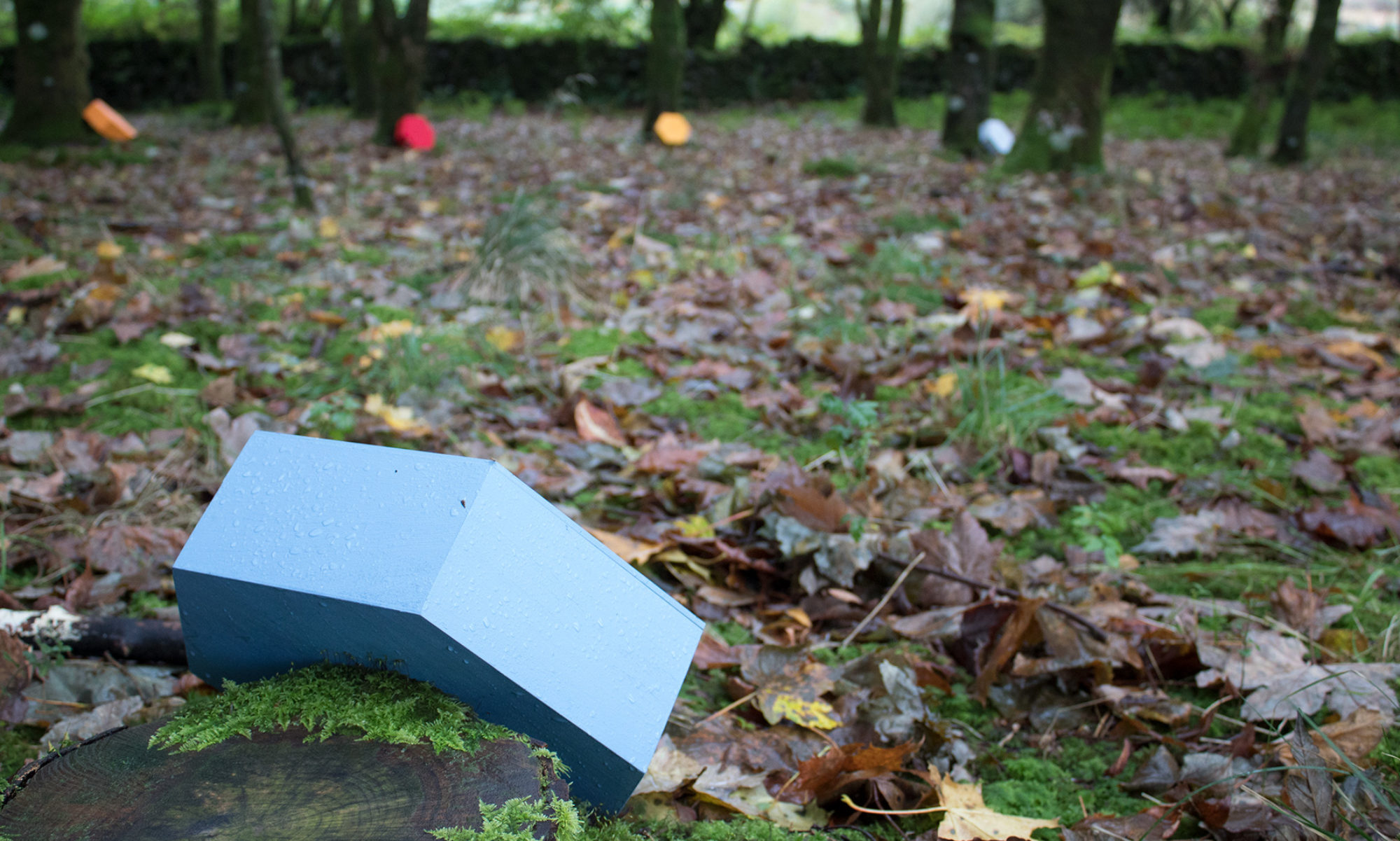
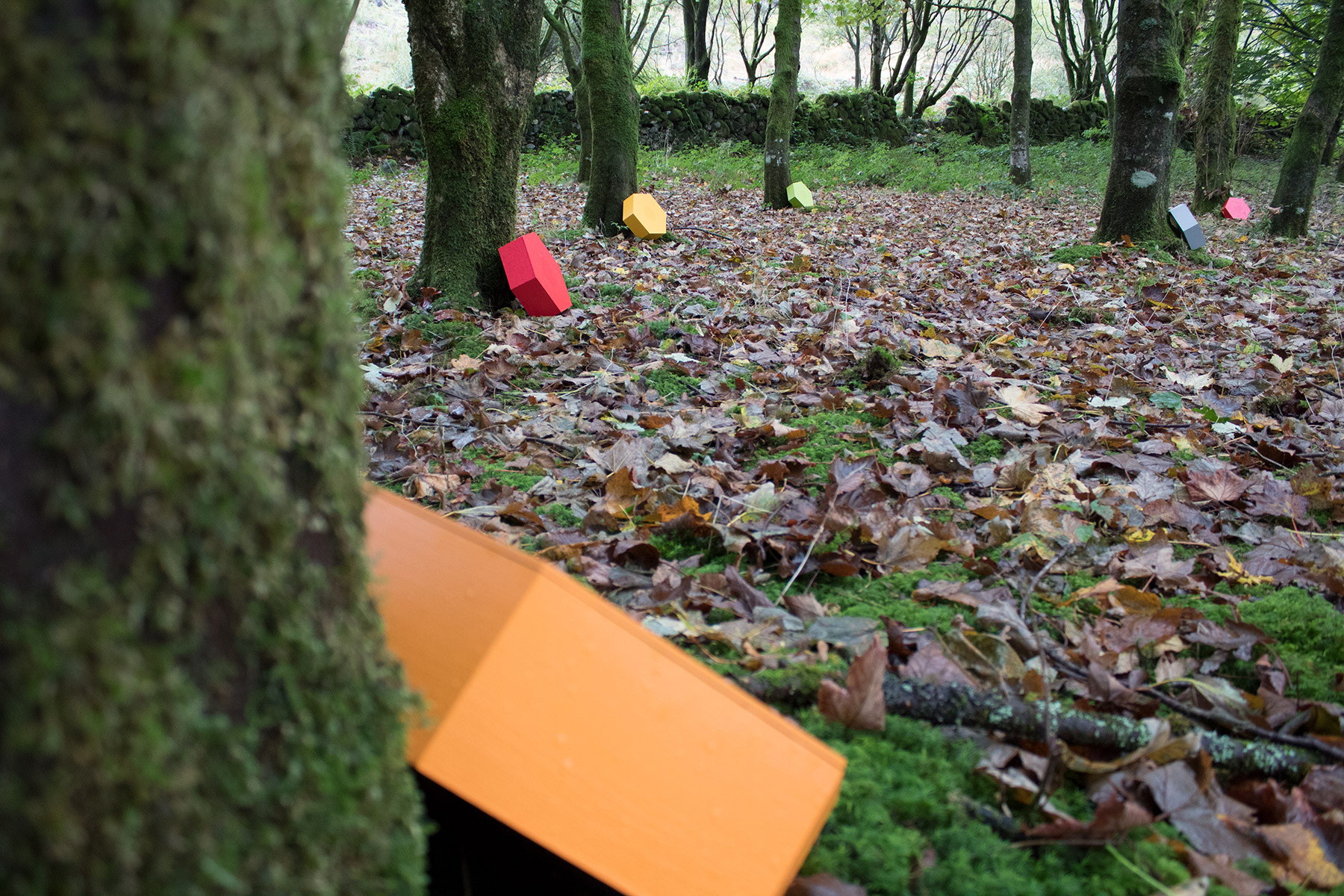
Why do phonaesthemes exist? We don’t currently know for sure, but one theory is that they are a natural product of the winding paths that words travel down through history as they are shaped by the process of cultural evolution. With Sing the Gloaming you can walk these paths yourself and understand the origins of the most celebrated phonaestheme cluster in English: the “gl” phonaesthemes, which relate to light.
Around 5000 years ago, somewhere near the Black Sea, a language was spoken that would eventually give rise to over 400 languages spread around the world today. In that language, which we now call Proto-Indo-European, there was a word form *ghlei- that meant to shine, glow or be warm. As this language changed and gave rise to other languages like Proto-Germanic, and later on Middle High German, this word changed slowly in form and meaning and gave rise to new words, which themselves changed and multiplied over the centuries. Finally, as we reach the current day, many words in English ended up sharing similar forms and similar meanings because of their shared ancestry, stretching back to the very origins of the Indo-European people.
Explore this evolution by walking between the devices and listen to how the words relate to one another. Join in by singing along with the words yourself. Travel backwards in time to the language spoken two hundred generations ago, or forward to the current day and consider the metaphors and relationships hidden within the meaning of the words of your own language.
Simon Kirby